
Andrzej Wajda: Portraits of History and Humanity

To mark the centenary of his birth, the Dukes presents a selected retrospective of Andrzej Wajda.
From the beginning of his career, with his revered war trilogy, director Andrzej Wajda established himself as a singular voice in Polish and world cinema. Wajda was the recipient of every major international film honour, including the Palme d’Or and Academy Honorary Award. His cinema is located within the fabric of Polish history and society, reflecting how major historical events shape an individual and a nation, and initiating debates about national identity. He was equally committed to portraying complex human relationships, moral responsibility and fortitude – often under duress – as he was in exploring the role of art and artists in revealing suppressed truths.
Seven of Andrzej Wajda’s films are being toured across the UK, including The Dukes where the following three films will be shown:
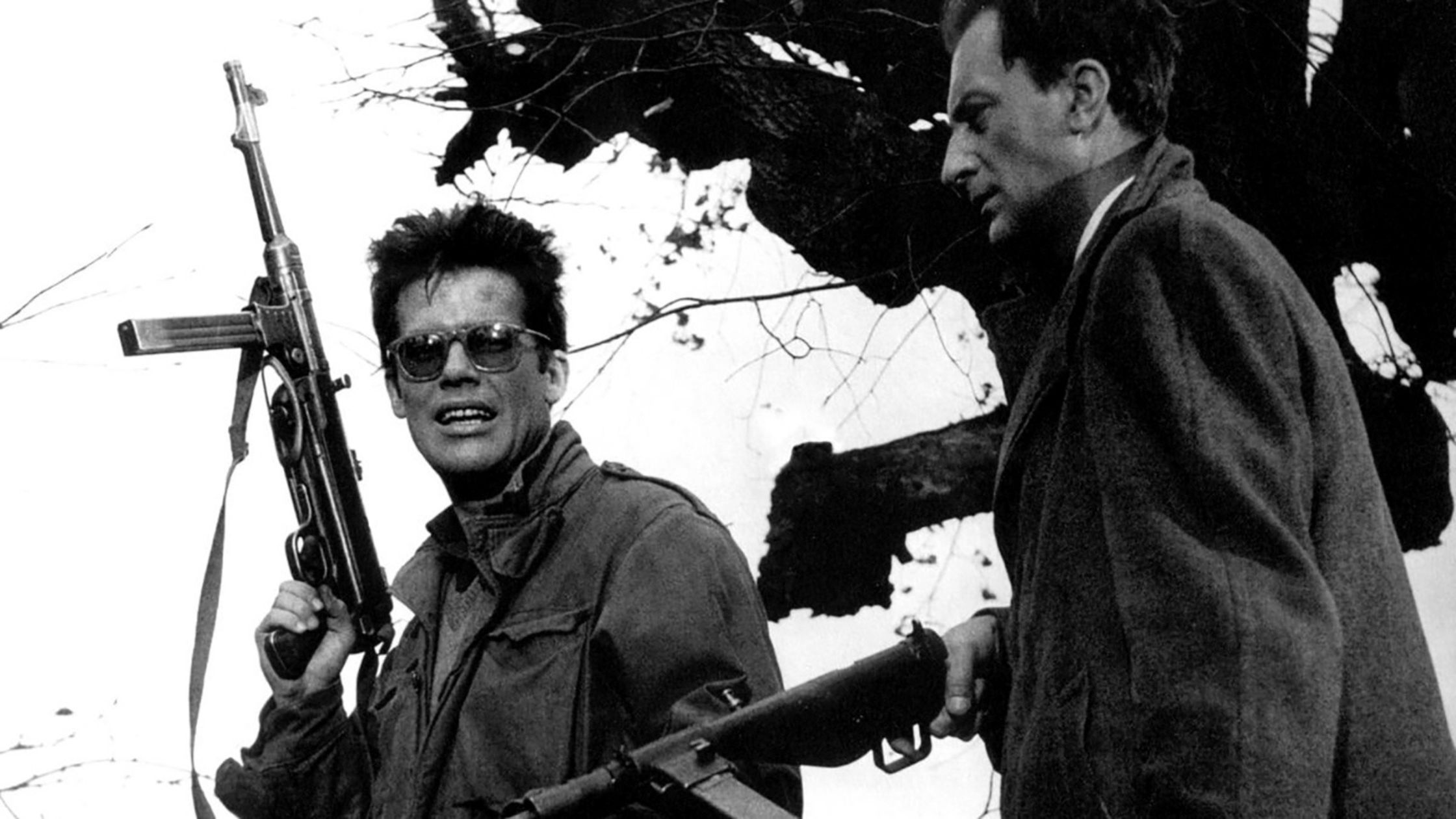
Ashes and Diamonds (Popiół i diament) + Introduction
Saturday 11 April, 2:00pm
In the last days of the Second World War, Maciek, a Polish resistance fighter, is tasked with the assassination of a Communist official. When he meets Krystyna, he is offered a glimpse of a world beyond war and destruction, and questions his assignment.
This screening will be introduced by Professor Ewa Mazierska who will present us a look into one of Poland's greatest and most recognisable film directors, Andrzej Wajda's life as well as an insight into the selection of films showcased at the Dukes.
Ewa Mazierska is Professor of Film Studies at the University of Lancashire, UK. She published over thirty monographs and edited collections on film and popular music, including Popular Polish Electronic Music, 1970–2020: Cultural History (Routledge, 2021), Polish Popular Music on Screen (Palgrave, 2021), Poland Daily: Economy, Work, Consumption and Social Class in Polish Cinema (Berghahn, 2017) and monographs of several directors, such as Roman Polanski, Jerzy Skolimowski and Nanni Moretti. She is the principal editor of Studies in Eastern European Cinema. Her work has been translated to over 20 languages.
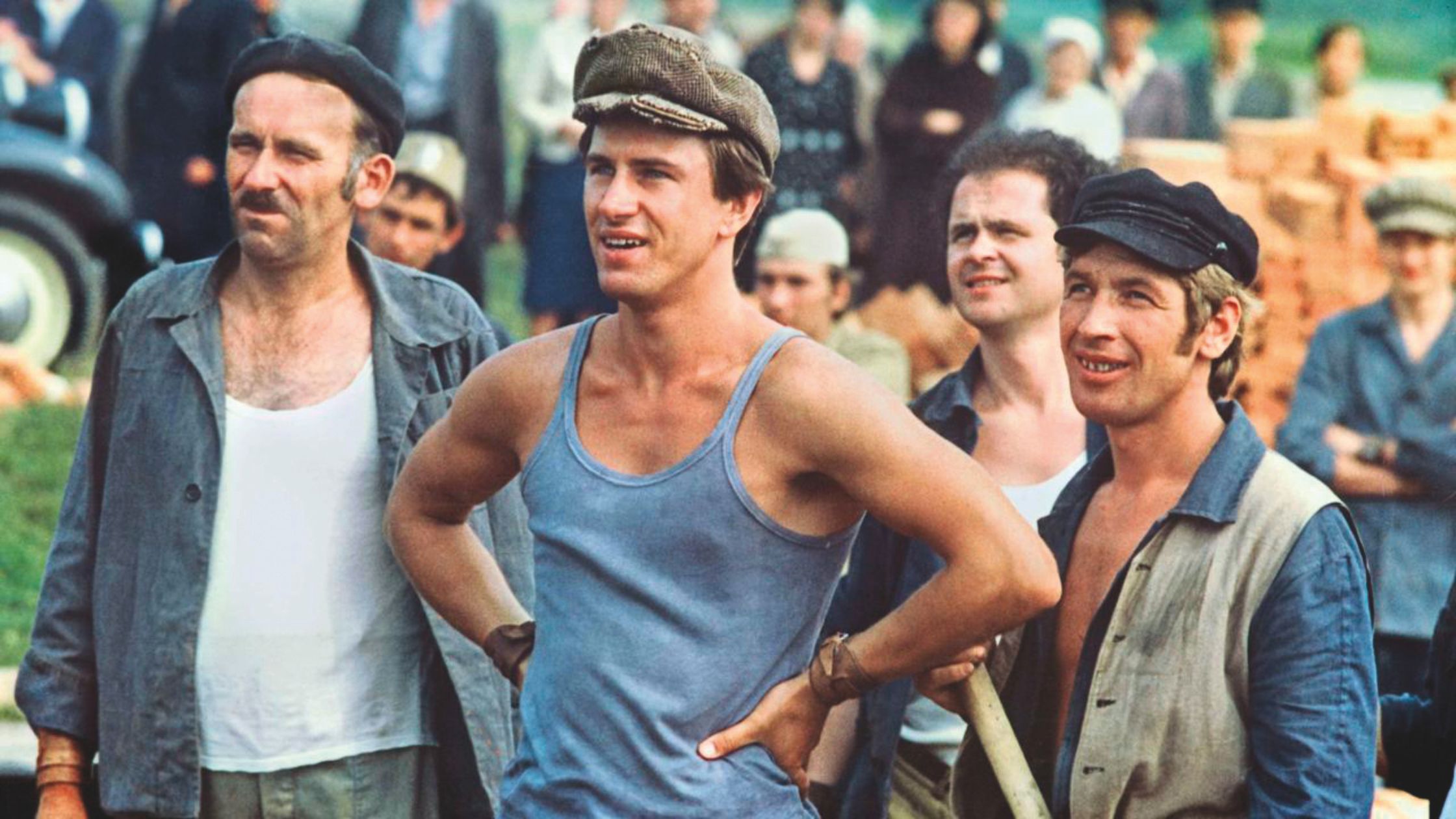
Man of Marble (Człowiek z marmuru)
Saturday 18 April, 1:30pm
In the 1970s, young filmmaker Agnieszka investigates the life of a 1950s bricklayer and worker’s hero. When she learns that the facts behind his story were suppressed, she has to decide whether to pursue the truth or not.
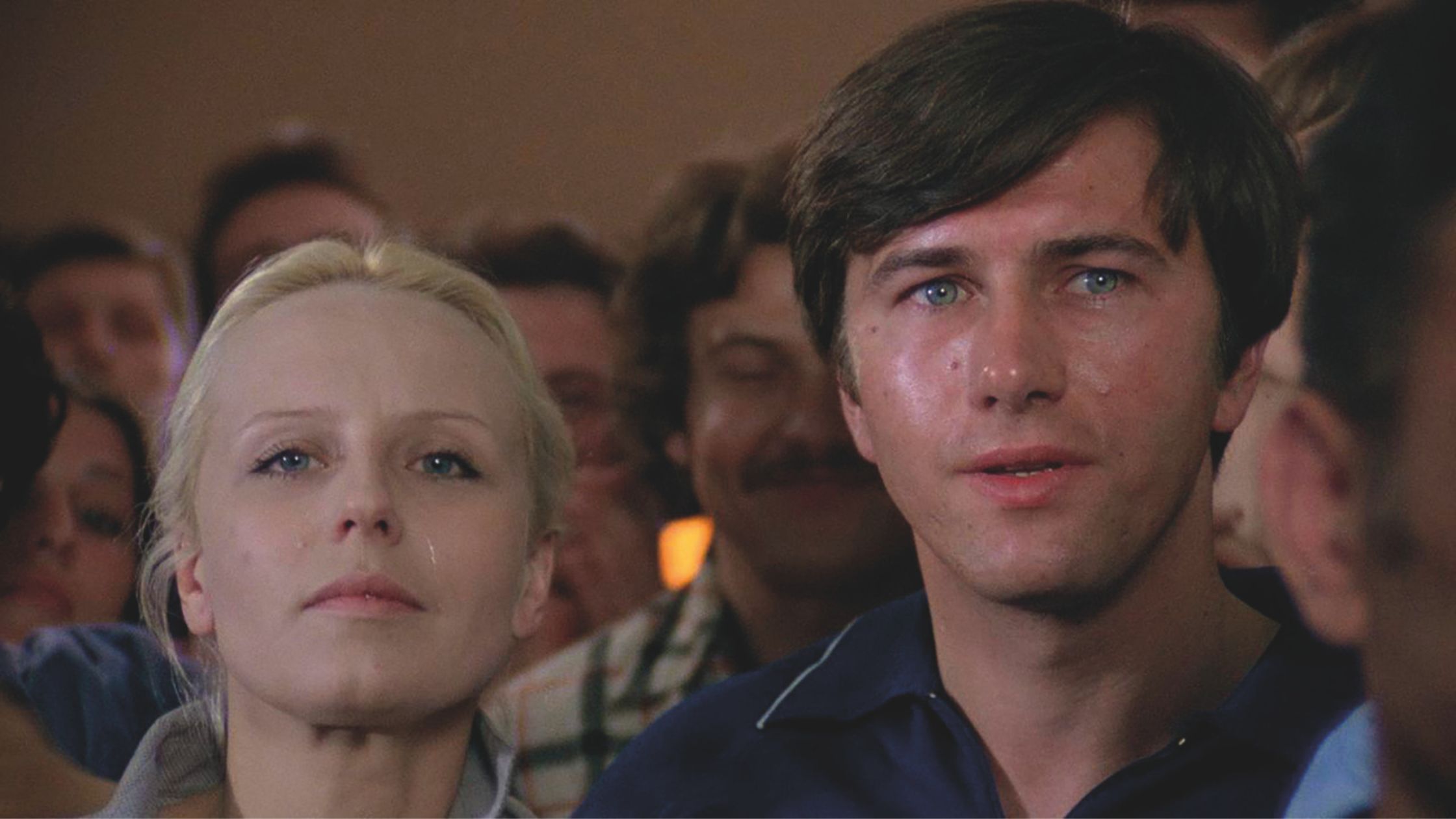
Man of Iron (Człowiek z żelaza)
Wednesday 22 April, 5:30pm
The Palme d’Or-winning follow-up to Man of Marble sees Winkel, a Communist-friendly radio journalist, charged with finding compromising information about a Solidarity opposition leader. But in witnessing protesting workers’ fight against political propaganda and commitment to overturn a repressive regime, Winkel questions his own beliefs.


